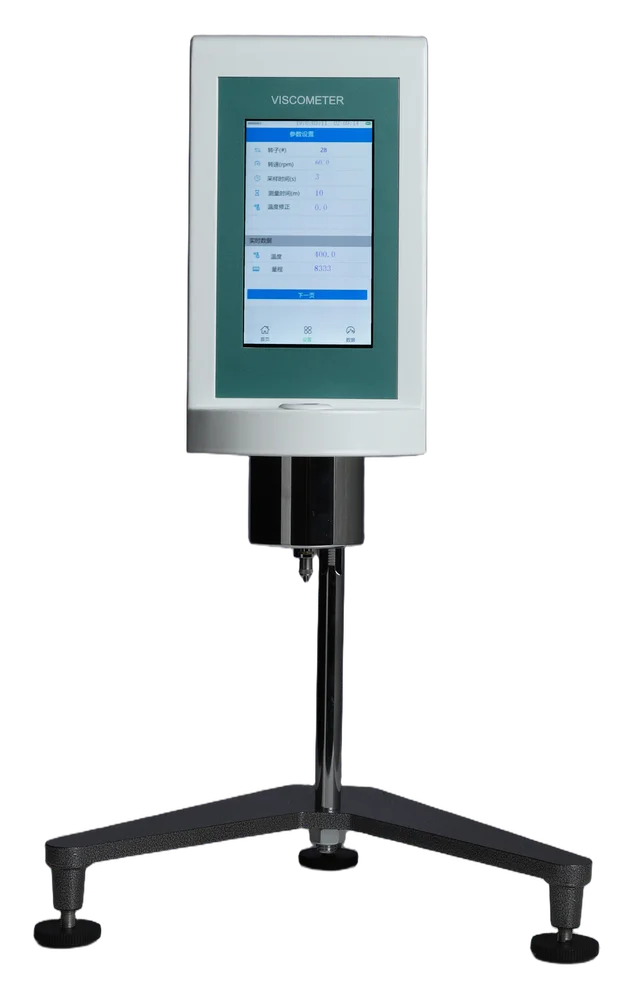
HADV-2
Touchscreen Rotational Viscometer
Touchscreen operation with 0.1–200 rpm speed selection and R2–R7 spindles. Includes a PT100 probe for temperature measurement.

Measurement practice
See why the spindle and rpm belong beside every result, and how to discuss a working measurement range without relying on the catalog maximum.
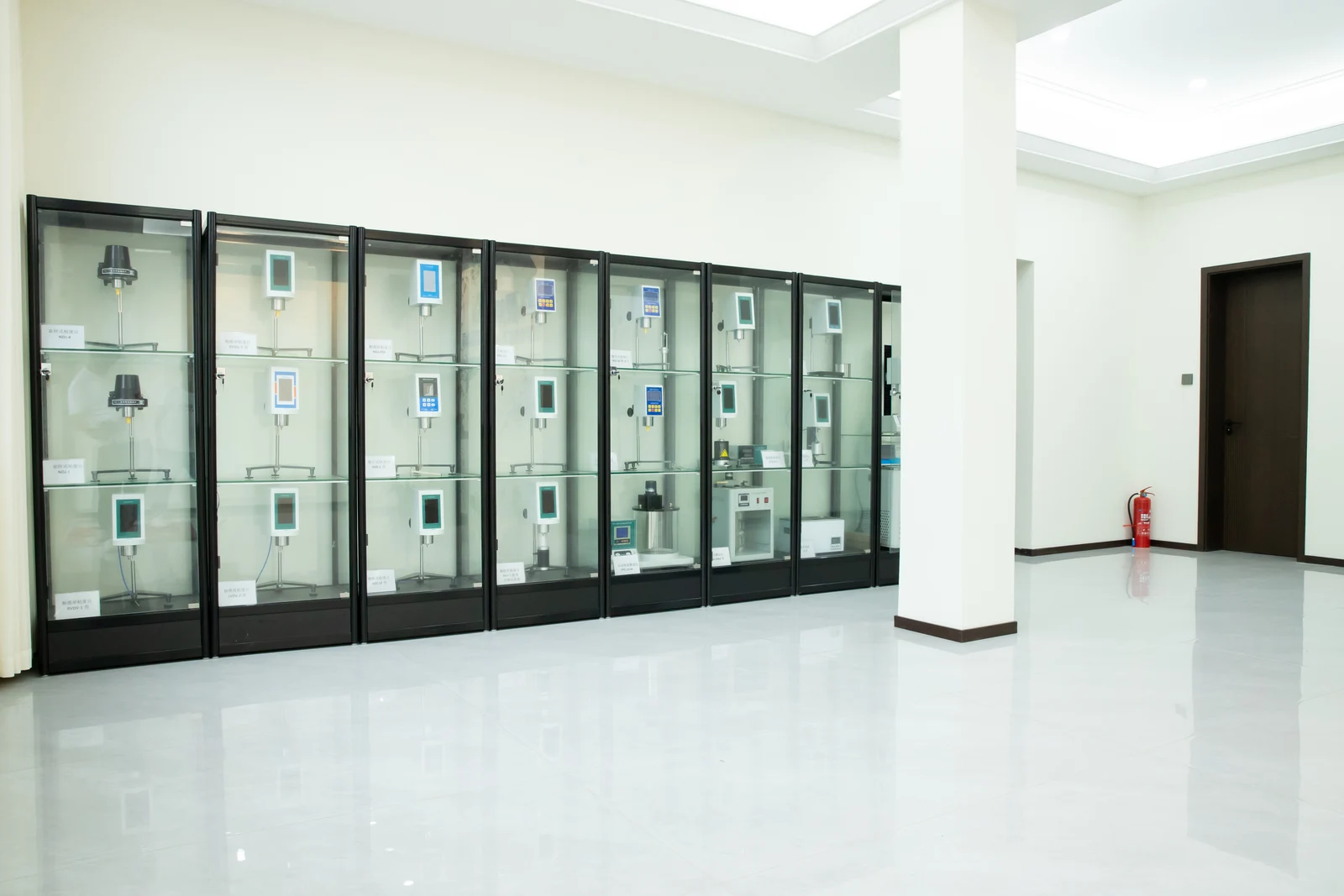
A rotational-viscosity result needs an identifiable setup. “Measured at 30 rpm” is incomplete if the spindle and container are unknown. Likewise, a model's highest advertised viscosity does not tell you the working range of every combination available on that model.
Brookfield's guidance explains working range in terms of spindle and speed, and gives a 10–100% torque operating window for the instruments discussed in its FAQ. That is a manufacturer-specific instruction, not a universal Measight acceptance rule. Follow the manual and approved method for the exact instrument in use. [1]
Our recommended selection discussion asks for the expected sample result and the planned spindle/speed combination together. If these are not known, describe the sample and the method you want to reproduce. Request confirmation of a usable working interval instead of assuming that a catalog maximum applies at every speed.
The SNB-2 provides 0.3, 0.6, 1.5, 3, 6, 12, 30 and 60 rpm. SNB-3 adds 0.1 rpm to that set. The HADV-2 lists 0.1–200 rpm and R2–R7 standard spindles, with R1 optional. These facts help identify candidate configurations, but they are not interchangeable method descriptions.
For a purchasing comparison, create one row for each speed your existing procedure requires. Mark it as supported, unsupported or awaiting confirmation. This keeps an attractive screen or large range figure from distracting from a basic requirement that the instrument must actually meet.
Rotational speed describes the instrument's motion. Shear rate describes deformation within the material and depends on the measuring geometry. For shear-thinning materials, viscosity decreases as shear rate increases; the test conditions therefore matter when comparing values. [2]
Do not relabel an rpm column as s⁻¹. If a project requires controlled or reported shear rate, include that requirement explicitly in the inquiry and ask which geometry and calculation support it. A list of selectable speeds, by itself, is not evidence of the required shear-rate capability.
We suggest a trial worksheet with one row per configuration: instrument, spindle, speed, sample temperature, elapsed time, viscosity, torque indication and any warning. Retain a separate column for the reason a setting was changed. Label exploratory trials so that they are not confused with routine release results.
Once a suitable procedure is agreed, preserve it as a method revision. Future operators should be able to identify the complete setup from that revision and the test record. If an existing customer method specifies conditions that cannot be reproduced, discuss the difference with the customer before treating the new readings as equivalent.
No. Rpm describes rotational speed. Relating speed to shear rate requires the measuring geometry and an applicable relationship; rpm alone is insufficient.
Sources explain measurement principles and methods. Measight configurations are described separately in the linked product pages.
Touchscreen Rotational Viscometer
Touchscreen operation with 0.1–200 rpm speed selection and R2–R7 spindles. Includes a PT100 probe for temperature measurement.
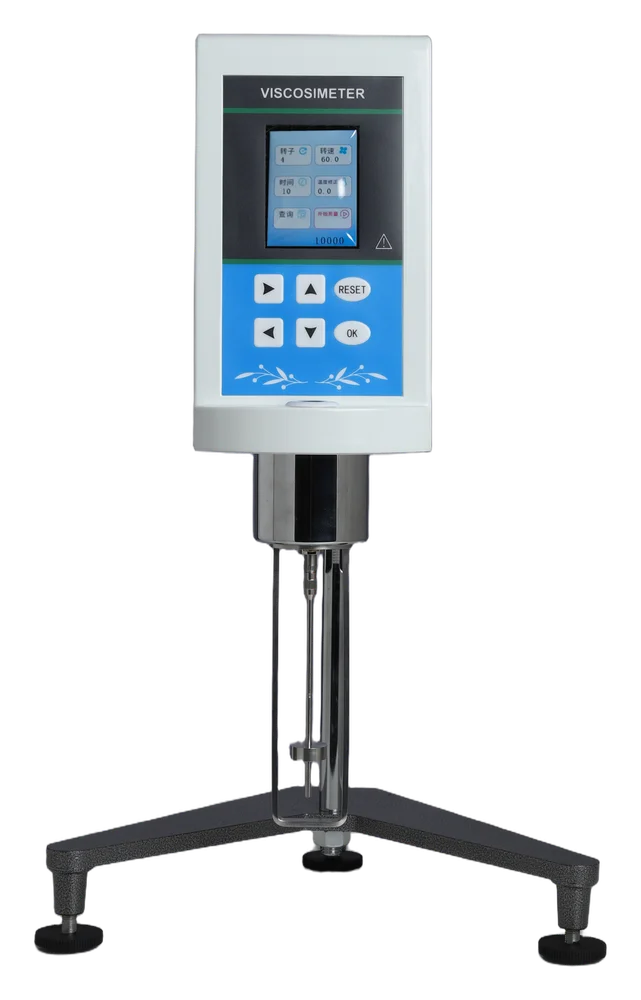
Digital Rotational Viscometer
Eight selectable speeds, including low-speed settings, with a color display and Nos. 1–4 spindles for rotational viscosity testing.
Digital Rotational Viscometer
Nine selectable speeds starting at 0.1 rpm, with a color display and Nos. 1–4 spindles for measurements under defined conditions.