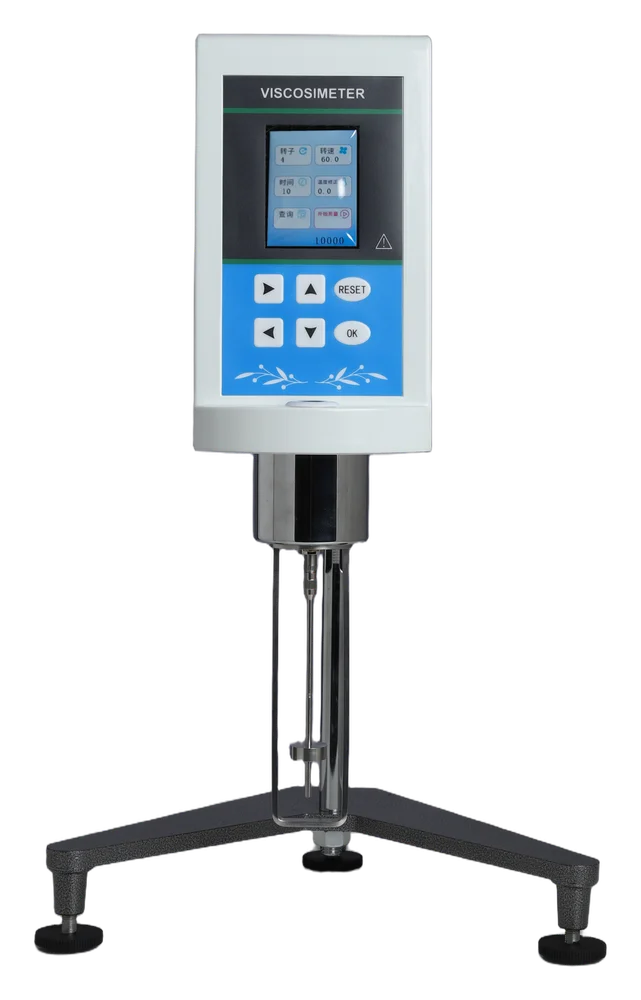
SNB-2
Digital Rotational Viscometer
Eight selectable speeds, including low-speed settings, with a color display and Nos. 1–4 spindles for rotational viscosity testing.

Application notes
Match paint consistency specifications to a Stormer workflow and distinguish KU checks from rotational measurements in mPa·s.
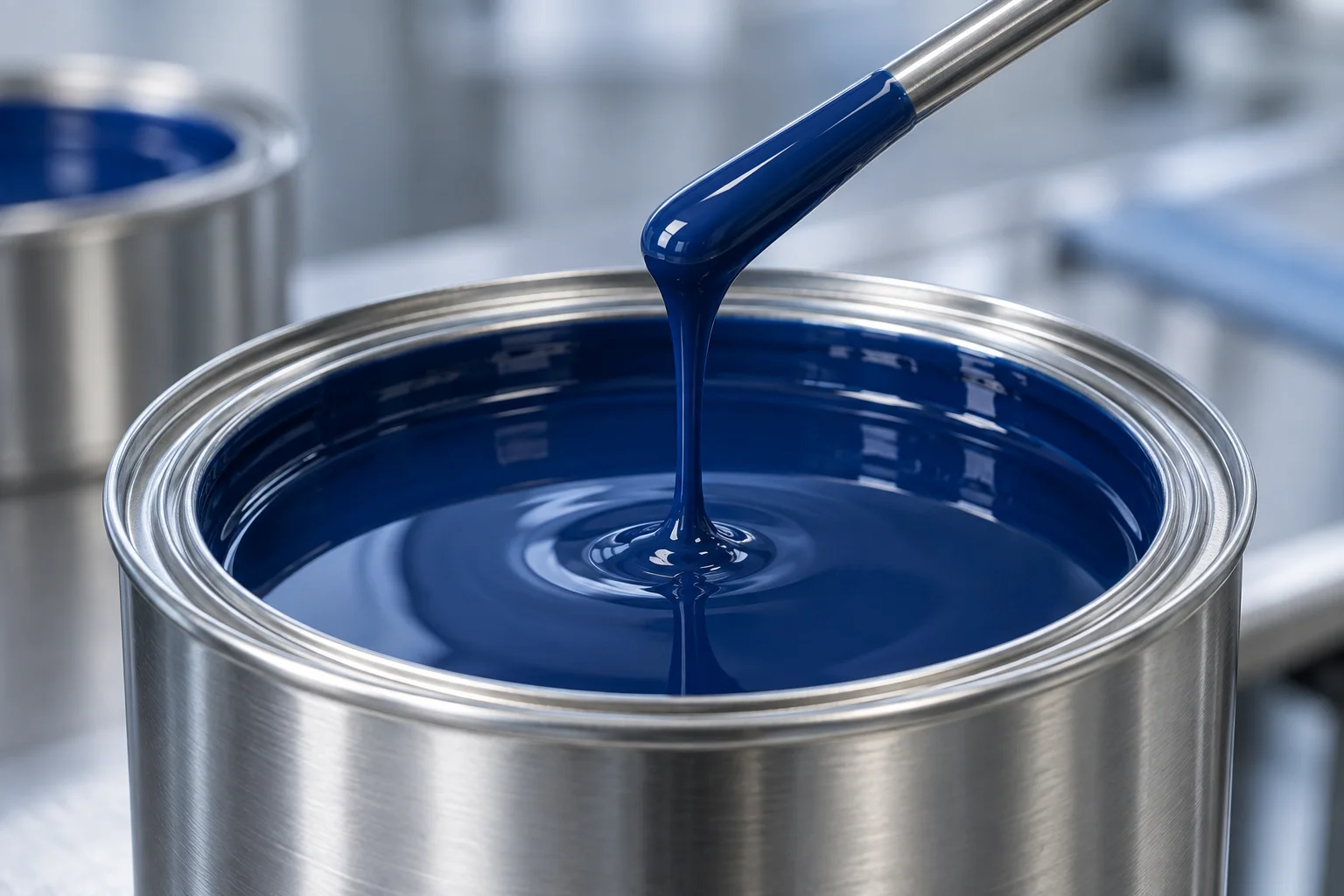
If a paint specification calls for a KU result, start by confirming its Stormer test procedure. The unit is part of the requirement, not simply a display preference. A supplier quoting viscosity in mPa·s may be describing a different test, even when both reports concern the same coating.
ASTM D562 covers paint and related coating consistency evaluated in Krebs Units using a Stormer-type viscometer. Its stated use includes specifying and controlling paint consistency. The public description establishes the method's scope; the complete standard is needed for the procedure. [1]
For a Measight application inquiry, attach the customer's method or the relevant specification line. Identify whether the result is used for incoming inspection, a production adjustment or final batch release. This helps keep the equipment discussion tied to the actual acceptance requirement.
The current STM-2 and STM-2T entries both list a 40.2–141.0 KU range, 200 ±1 rpm rotational speed and a 500 mL container capacity. Those are useful starting parameters for a shortlist.
They do not, by themselves, establish standard conformity or explain every difference between the models. Request the supplied measuring paddle, container requirements, verification documents, operating procedure and any display or workflow differences you need to compare. Also distinguish the stated container capacity from the fill quantity required by the applicable method.
ASTM D2196 addresses rotational-viscometer characterization of non-Newtonian materials. Its public description includes apparent viscosity and investigations of shear-dependent or time-dependent behavior. It serves a different measurement purpose from treating every coating as one KU value. [2]
If your laboratory needs a rotational method as well as a Stormer check, record them as separate tests. For example, a proposed SNB-2 setup should carry its own spindle, speed, temperature and acceptance criteria. Do not overwrite the original KU field with a value from another method simply because both instruments report a form of viscosity or consistency.
Our suggested brief includes the following:
For example, ask for a review of an attached KU procedure against STM-2 and STM-2T, with missing configuration details identified. That gives the quotation a checkable basis. If the wider aim is to understand application behavior, explain that separately so the proposed testing plan can address it rather than assuming that one consistency result answers every formulation question.
Do not assume so. KU identifies a Stormer consistency workflow. Obtain agreement on the required method and result; a rotational cP reading from a different setup is not automatically an equivalent acceptance test.
No. Conformity depends on the complete equipment configuration, verification and procedure. Request the relevant documentation and check it against the current method.
Sources explain measurement principles and methods. Measight configurations are described separately in the linked product pages.
Digital Rotational Viscometer
Eight selectable speeds, including low-speed settings, with a color display and Nos. 1–4 spindles for rotational viscosity testing.
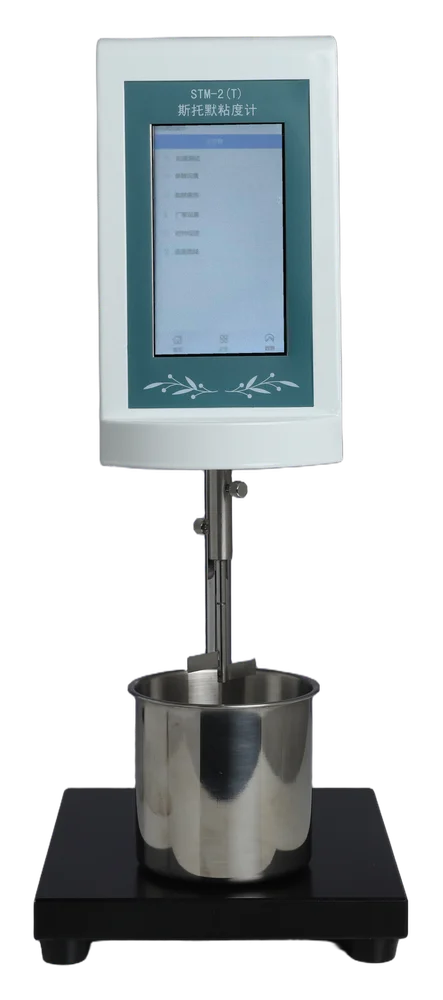
Stormer / Krebs Viscometer
For paint and coating consistency checks in Krebs Units, with a 40.2–141.0 KU range and a fixed-speed Stormer measurement setup.
Stormer / Krebs Viscometer
A Stormer measurement setup for paint and coating consistency checks, covering 40.2–141.0 KU with a 500 mL container capacity.